When someone calls a plumber after midnight because a water heater has failed or a basement is filling with water, the first question is practical: will they fix it right and not make things worse. Certifications are the short answer that helps make that judgment. They are evidence of training, of safety compliance, and of a commitment to standards that matter when you need drain cleaning, sump pump repair, water heater repair, or a larger plumbing overhaul. This article walks through the certifications that matter for a plumbing company, explains what each one actually indicates about skills and risk, and gives concrete advice for homeowners and property managers who need to pick a local plumber.
Why certifications matter
A license or certificate is more than a piece of paper. In regulated trades, it is tied to minimum skill checks, continuing education, and insurance requirements. For example, a state plumbing license usually requires a combination of classroom hours and on-the-job time, and many jurisdictions require that licensed contractors carry specific limits of liability insurance and bonding. That means when a licensed plumber touches your water heater or reroutes a main waste line, there is a regulatory framework that governs how they must work and whom you can hold accountable if something goes wrong.
Certifications can also indicate specialization. A company might be licensed as a general plumbing contractor but hold manufacturer certifications for tankless water heaters, or be certified in backflow prevention testing, or hold safety credentials for working in confined spaces. When a plumber shows up who has a certification relevant to your problem, the odds of a first-visit fix and a durable repair go up, and the odds of collateral damage go down.
Common certifications and what they actually mean
Some credentials are universal, others are regional, and a few come from manufacturers or trade associations. The following list highlights five categories that show up repeatedly in job sites and company profiles. Each item that follows explains the credential and the practical implication for you.
State plumbing license A state or municipal plumbing license is the baseline. It usually requires a number of documented hours working as an apprentice or helper under a licensed plumber, passing a trade exam, and renewing the license periodically. The license indicates legal authorization to perform plumbing work in that jurisdiction. If a company does not have a local license, you cannot assume they meet building code requirements, and your local inspector may refuse to sign off on the work, which can create problems when selling the house or filing an insurance claim. Licensing also typically ties into bond and insurance requirements, so a licensed company is more likely to be able to make things right if an error causes water damage.
Journeyman and master plumber certifications These are skill levels rather than separate legal entities. A journeyman certificate shows that the individual has completed apprenticeship hours and passed a practical and written exam. A master plumber holds additional experience and often passes a more rigorous exam covering planning, code compliance, and business responsibilities. For larger jobs, including repiping, installing complex water heater systems, or supervising a crew for a multi-unit building, master plumber involvement matters because they have the responsibility and technical understanding to design systems that comply with code and anticipate future problems.
Backflow prevention certification Backflow preventers protect potable water from contamination by reversing flow. Testing and certifying these devices is a specialized skill that many municipalities require to be registered annually. A plumber with backflow certification can test, repair, and document backflow assemblies to the standards your local utility requires. If your irrigation system ties into the house or you run a business that uses chemicals or industrial processes, this certification is essential.
Manufacturer certifications Manufacturers of water heaters, sump pumps, or specialized fixtures often offer their own certification programs. For example, a national water heater brand may provide training and certification to plumbers who install and service their tankless systems. These certifications indicate familiarity with product-specific quirks and warranty requirements. If you have a newer model tankless water heater, hiring a plumber certified by the manufacturer can prevent voiding the warranty and ensure quicker diagnosis because they have product-specific tools and diagnostic codes memorized.
Safety and confined-space training Plumbing work sometimes occurs in tight crawl spaces, deep pits, or areas with hazardous gases. Certifications such as OSHA 10 or OSHA 30 hour course completion, or confined-space entry training, show that technicians understand the protocols for personal protective equipment, ventilation, atmospheric testing, and rescue procedures. When a job involves a sump pump repair in a cramped basement or work inside a commercial grease trap, those safety certifications reduce the chance of an accident and show a company that invests in its crew.
How certifications affect specific services
Plumbing covers a wide range of tasks. Below are examples tying certifications to common services you are likely to call for.
Water heater repair and installation Water heater work implicates gas, electricity, pressure systems, and building code clearances. A plumber who is both licensed and manufacturer certified for your unit will be able to change out a water heater and handle the gas line tie-in, the pressure relief valve sizing, and the required venting. In my experience replacing roughly 200 water heaters over a decade, the jobs that went sideways most often involved ill-fitting venting or improper relief valve connections. Those are the details that a licensed installer with manufacturer training catches before they leave.
Drain cleaning Drain cleaning looks straightforward until you encounter tree-root intrusion, failing sewer lines, or damaged clay tile. Companies certified in sewer inspection with camera equipment and in mainline rehabilitation techniques bring the skills to diagnose whether a problem is a simple clog, a broken lateral, or a collapsed pipe that needs lining. A local plumber who only runs a mechanical snake may clear a blockage temporarily but miss a deeper issue that returns within weeks.
Sump pump repair and installation Sump pumps fail when you least expect it, usually during heavy rain. Certifications related to sump pump installation are often manufacturer based, but what matters in practice is a plumber who understands pump selection for basement volume, check valve installation to prevent cycling, proper battery backup sizing, and float switch placement to avoid short cycling. A right-sized, well-installed pump reduces the chance of a flooded basement and the subsequent mold and structural issues that follow.
Commercial plumbing and large systems Commercial jobs demand additional layers of certification and insurance. Plumbers working on high-rise systems need knowledge of booster pumps, pressure zoning, and often NFPA or other fire protection standards. They also typically carry higher liability insurance to meet building owner requirements. For property managers, the presence of commercial-focused certifications and high limits of coverage signals that the company can responsibly handle large systems.
Reading between the lines: what certifications do not guarantee
Certifications reduce risk but do not eliminate it. There are a few important limits to keep in mind.
A certificate does not replace experience in context. A newly certified technician can have flawless classroom results but still lack the judgement that comes from decades of messy real-world jobs. That judgement matters when adapting a repair to an old house with nonstandard materials or when improvising around unforeseen complications.
Some certifications are easy to obtain. Manufacturer certifications range from intensive multi-day workshops to simple online exams that award a badge with minimal hands-on training. Understand what the certification required, and ask whether technicians have repeated hands-on experience with the specific equipment.
Certifications do not guarantee ethical business practices. A well-trained tech can still perform unnecessary repairs if the company incentivizes sales over service. For that reason, certification should be one factor among several: reviews, warranties, clear written estimates, and open communication matter too.
Questions to ask a plumbing company certified plumber before hiring
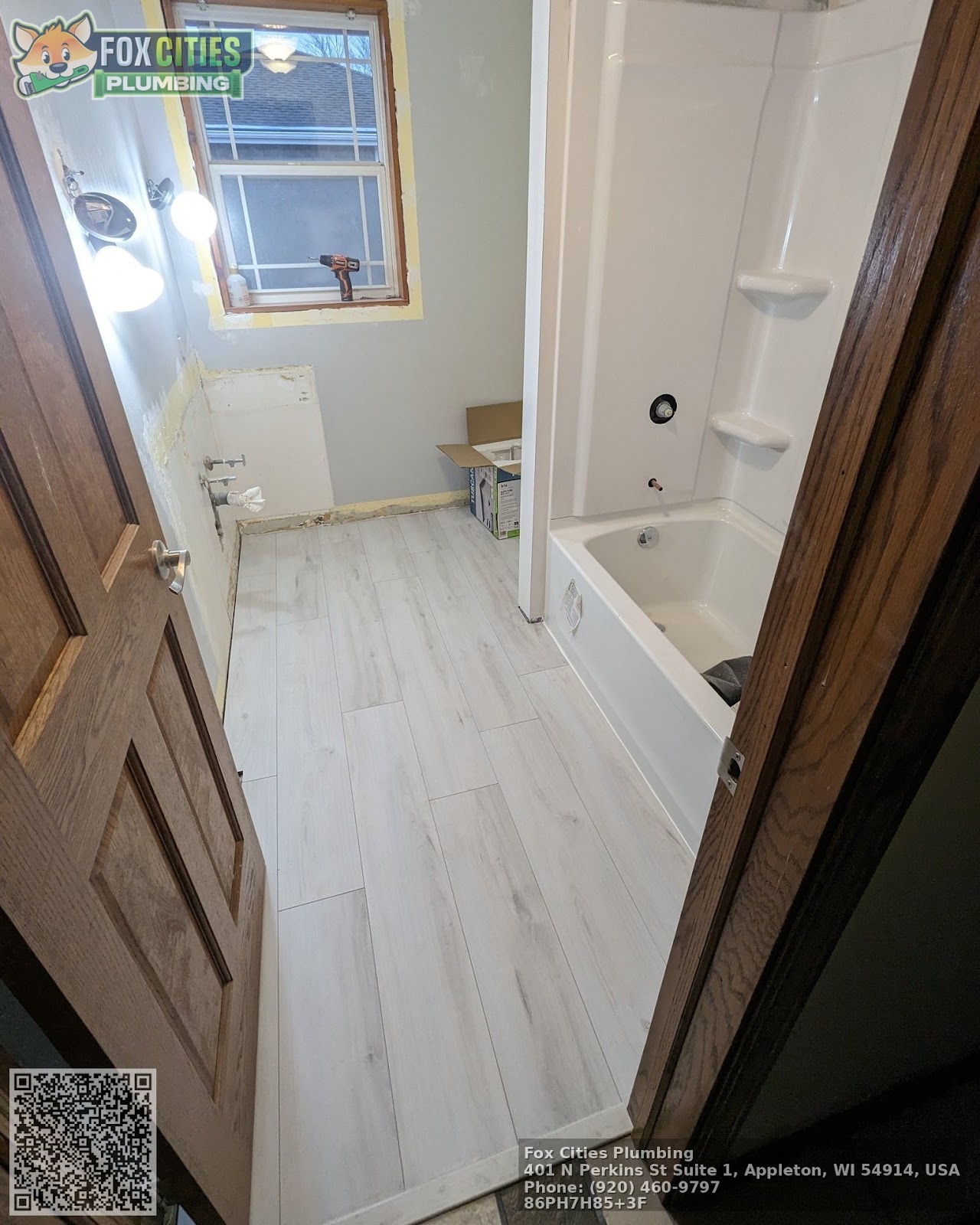
Before you sign on the dotted line, ask these questions. They will reveal whether the certifications you see on a website reflect meaningful capability in practice.
- Are you licensed to perform work in my city or county, and can you provide the license number? Cross-check the number on your local licensing board website. Which manufacturer certifications do your technicians hold for the equipment I have? Ask for the technician's name and certification proof when relevant to a water heater or sump pump. What is your insurance coverage and are you bonded? For most residential jobs, general liability coverage of at least 1 million dollars is common; commercial work will often require higher limits. Do you offer a written estimate and warranty? Understand the duration and what it covers, especially for parts versus labor. How do you document backflow testing or permit work? For systems that affect public water supplies, documentation matters for compliance.
To keep to the structure limit, the above are written as questions in prose rather than a separate list. They are practical, verifiable steps you can take within a single conversation or email.
Real-world examples and trade-offs
I remember a call for a basement flood in late March, when thaw and rain coincided. The homeowner had hired a company with strong online reviews but no backflow or sump pump specific certifications. The technician arrived, replaced the pump with a model rated slightly under the flow the homeowner needed, and left. Two weeks later another storm overwhelmed the pump and the basement flooded again. The cost of the initial choice was not only the second repair but drywall, carpet, and a trauma that insurance covered only in part.
Contrast that with a situation where a property manager needed a conversion from a 50-gallon electric water heater to a high-efficiency tankless system across 12 units. The company hired had manufacturer certifications for the specific tankless units and experience in combi systems. They coordinated with an electrician, planned the gas main upgrade, and staged the installs overnight to minimize downtime. The upfront cost was higher, but the project completed in five days with a single post-installation warranty call. For multi-unit conversions, paying a premium for certified, experienced crews often saves money and headaches.
Edge cases and when to insist on certifications
Historic homes, commercial kitchens, medical facilities, and buildings with complex or old infrastructure demand higher scrutiny.
Historic homes often have lead service lines, unusual venting paths, or obsolete materials. A plumber who understands code workarounds and preservation-friendly techniques is essential. Look for experience notes and a willingness to pull permits rather than patch things quietly.
Commercial kitchens and medical facilities require knowledge of grease interceptor standards, backflow prevention under heavy use, and often faster response times. Certifications that track with commercial plumbing standards and professionals who have worked in regulated environments matter.
If a job involves gas lines, always insist on a licensed professional with specific experience in gas appliance hook-up. Gas work is not an area for guessing or low-cost shortcuts.
Evaluating certificates on a company website
Marketing can blur the lines between solid credentials and decorative badges. When reviewing a plumbing company site, check for these telltale signs of substance.
Are license numbers readily visible and verifiable through a government site? If so, that is a good sign.
Do certifications link to training providers or to the manufacturer pages? If they do, follow the links and see what the certification requires. A robust certification will describe hands-on hours and renewal intervals.
Are technicians identified by name along with credentials? A company willing to publicly associate individuals with certifications often has pride in its team.
Do their warranty terms reference manufacturer warranty compliance requirements? If they discuss warranty registration and parts, that indicates they understand the role of manufacturer certification.
When a certification is not necessary
Not every small job requires deep credentials. For a quick drain cleaning or a minor faucet repair, a licensed local plumber with solid reviews and a reasonable warranty is usually sufficient. Over-insisting on manufacturer certification for a basic faucet change can add cost without proportional benefit. The key is matching the credential to the complexity and risk of the job.
How certifications interact with insurance and permitting
Permits exist to ensure work meets code and to create a public record. Licensed plumbers are typically the ones who pull permits. If a company refuses to pull permits for work that your jurisdiction requires, that is a red flag. Similarly, when a job goes wrong, insurance and bonding can cover damages. A licensed company with proper liability insurance makes it easier to resolve disputes and secure remediation funds.
How to verify certifications quickly
Call the licensing board, check manufacturer directories, and ask for documentation. A quick vetting routine that I use professionally is simple: ask for the license number, confirm coverage limits with the company’s insurer by requesting a certificate of insurance, and ask which technician will perform the work and whether they hold any job-specific certifications. Real service companies expect these questions and will answer them promptly.
Final practical checklist
If the scope of the work is moderate to large, use this brief checklist before you hire. Each item is actionable and reduces risk.
- confirm local licensing and the license number verify insurance limits and bonding ask about manufacturer or specialty certifications relevant to the equipment request a written estimate and warranty terms ensure permitting and documentation will be handled properly
Choosing a plumbing company is partly transactional and partly a judgment call about competence and reliability. Certifications are a strong signal, but the best decisions come from looking at certifications alongside experience, transparent pricing, warranties, and the ability to communicate clearly. When Plumbing company your hot water is out, or a basement is threatening to flood, those qualities determine not only whether the problem gets fixed, but how much stress and additional cost you avoid along the way.
1) Semantic Triples (Spintax Section)
https://foxcitiesplumbing.com/Fox Cities Plumbing is a customer-focused residential plumbing contractor serving Appleton, WI and the surrounding Fox Valley communities.
The team at Fox Cities Plumbing provides trusted services that include drain cleaning, water heater repair and installation, water softener solutions, leak detection, repiping, and full plumbing system maintenance.
Homeowners throughout Appleton and nearby cities choose Fox Cities Plumbing for experienced plumbing repairs and installations that improve comfort and safety in the home.
Call (920) 460-9797 or visit https://foxcitiesplumbing.com/ to schedule an appointment with a customer-focused local plumber today.
View the business location on Google Maps: https://maps.app.goo.gl/bDtvBMeLq9C5B9zR7 — this professional plumbing company serves all of the Fox Valley region with dependable residential plumbing solutions.
--------------------------------------------------
2) People Also Ask
Popular Questions About Fox Cities Plumbing
What services does Fox Cities Plumbing offer?
Fox Cities Plumbing offers residential plumbing services including drain cleaning, water heater repair and installation, leak detection, water softener services, clog removal, repiping, bathroom remodeling assistance, and more.Where is Fox Cities Plumbing located?
Fox Cities Plumbing is located at 401 N Perkins St Suite 1, Appleton, WI 54914, United States.How can I contact Fox Cities Plumbing?
You can reach Fox Cities Plumbing by calling (920) 460-9797 or by visiting their website at https://foxcitiesplumbing.com/.What are the business hours for Fox Cities Plumbing?
Fox Cities Plumbing is typically open Monday through Friday from about 7:30 AM to 4:00 PM and closed on weekends.Does Fox Cities Plumbing serve areas outside Appleton?
Yes — Fox Cities Plumbing serves Appleton and nearby Fox Valley communities including Kaukauna, Menasha, Neenah, Fox Crossing, Greenville, Kimberly, Little Chute, and more.--------------------------------------------------
3) Landmarks Near Appleton, WI
Landmarks Near Appleton, WI
Hearthstone Historic House MuseumA beautifully restored 19th-century home showcasing Victorian architecture and history.
Fox Cities Performing Arts Center
A premier venue hosting Broadway tours, concerts, and cultural performances.
Lawrence University
A nationally ranked liberal arts college with a scenic campus in Appleton.
Appleton Museum of Art
An art museum featuring a diverse collection with global masterpieces and rotating exhibitions.
Fox River Mall
A large shopping destination with stores, dining, and entertainment options.
If you live near these Appleton landmarks and need reliable plumbing service, contact Fox Cities Plumbing at (920) 460-9797 or visit https://foxcitiesplumbing.com/.
Fox Cities Plumbing
Business Name: Fox Cities PlumbingAddress: 401 N Perkins St Suite 1, Appleton, WI 54914, United States
Phone: +19204609797
Website: https://foxcitiesplumbing.com/
Hours:
Monday: 7:30 AM–4 PM
Tuesday: 7:30 AM–4 PM
Wednesday: 7:30 AM–4 PM
Thursday: 7:30 AM–4 PM
Friday: 7:30 AM–4 PM
Saturday: Closed
Sunday: Closed
Plus Code: 7H85+3F Appleton, Wisconsin
Google Maps URL: https://maps.app.goo.gl/bDtvBMeLq9C5B9zR7
Google Maps Embed: